PLANTS

Flue gas treatment

Plant engineering solutions designed to reduce pollutants produced by waste-to-energy plant flue gases

Add Your Heading Text Here

EFFICIENCY AND CONTROL

A key facility for reducing pollutants

The growing focus on environmental sustainability among businesses, coupled with the obligation to comply with the pollutant emission limits set by the authorities, necessitates systems capable of dosing reagents within production processes in an automatic, flexible and precise manner, with the aim not only of ensuring full regulatory compliance, but also of safeguarding the planet and its health.

Flue gas treatment systems are designed to remove pollutants from the flue gases produced by waste-to-energy plants, thereby ensuring that emissions remain within legal limits.

The process involved in a flue gas treatment plant generally consists of the following stages:

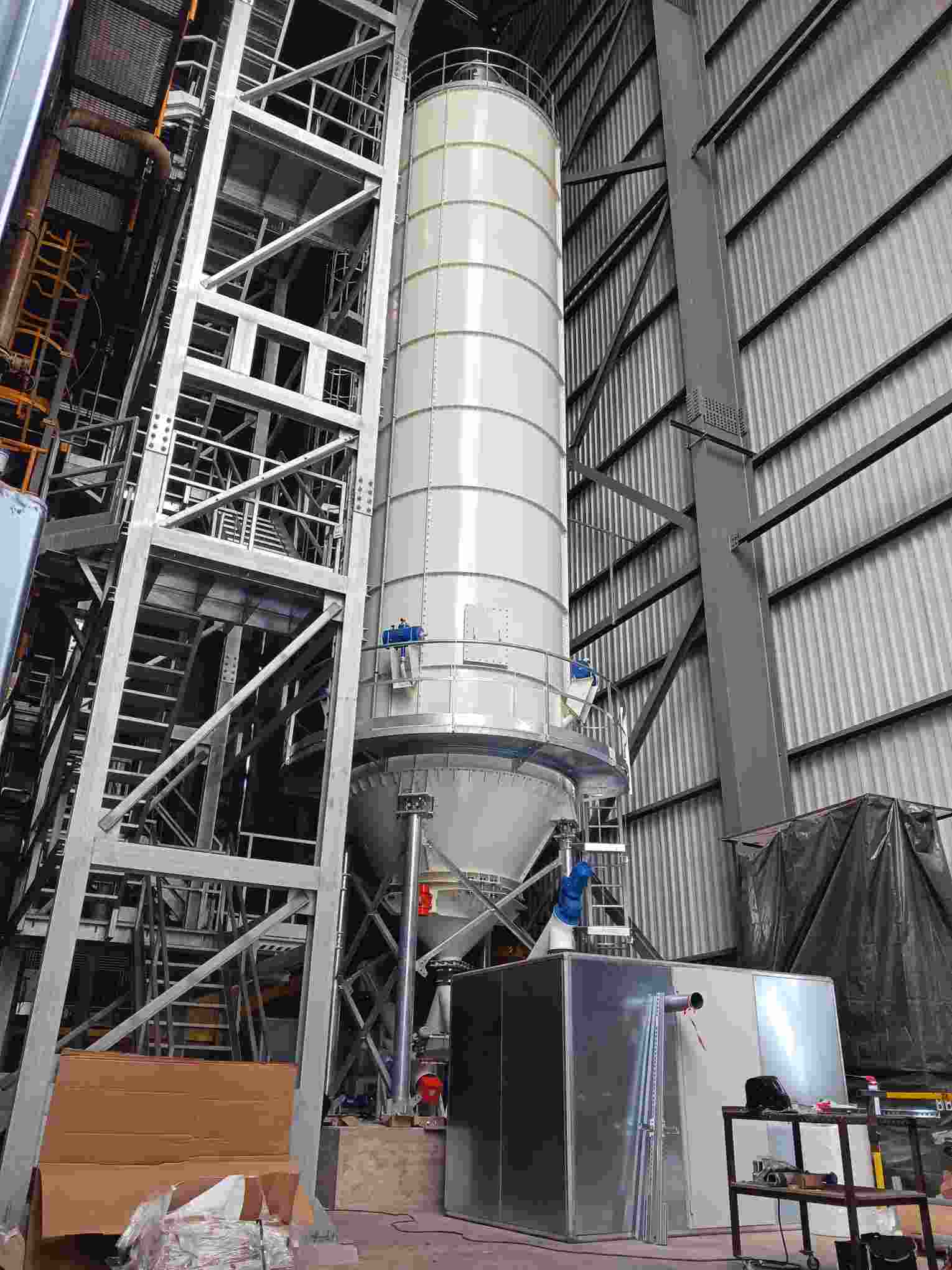
  • Reagent storage: depending on the expected reagent consumption and the required flow rate, either a silo or a simple big-bag emptying system can be provided.
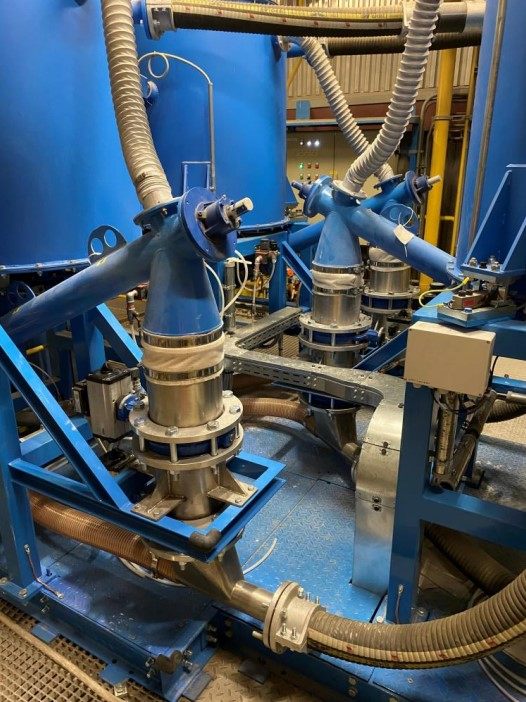
  • Reagent dosing: micro-dosing units, combined with weighing systems and volumetric levels, enable precise dosing of the reagent within the pipework
  • Reagent injection: a dilute-phase pneumatic conveying system transports the reagent to the injection lance inside the boiler

The reagents that can be conveyed pneumatically for flue gas scrubbing include Depurcal, Sorbacal, sodium bicarbonate, activated carbon and lime.

TYPES OF REAGENTS

Reagents for all requirements

Depurcal

Thanks to its high active surface area and porosity, Depurcal®MG is one of the most widely used reagents for the removal of pollutants produced by waste-to-energy plant flue gases, including HCl, SOₓ, HF, heavy metals and dioxins. Its neutralising action is achieved by direct, high-temperature injection into the combustion chambers using injection nozzles.

Due to the high reactivity of Depurcal®MG, only between 4 and 6 kg need to be dosed per tonne of waste incinerated.

Sorbacal

Sorbacal® SP is a specific type of hydrated lime characterised by a high specific surface area; this property enables it to achieve a much higher removal efficiency than other reagents, making it the most effective reagent for neutralising pollutants.

Sodium bicarbonate

Sodium bicarbonate is one of the most commonly used reagents for the dry scrubbing of acidic pollutants contained in the flue gases produced by waste-to-energy plant incineration processes. Unlike other reagents, in order to be effective in the scrubbing process, sodium bicarbonate must be injected into the boiler in micronised form so as to provide the greatest possible active surface area and maximum scrubbing efficiency.

Lime, coal and salts

In the field of flue gas treatment from waste-to-energy plants, foundries or steelworks, lime is one of the most widely used reagents; its versatility allows it to be used in a variety of ways, in both dry and wet scrubbing processes across a wide range of applications. Its ease of use is also due to the fact that, unlike bicarbonate, lime requires no grinding or pre-treatment prior to injection into the boiler or furnace via pneumatic conveying.

Like lime, powdered activated carbon (PAC) is also used for flue gas treatment due to its high capacity to absorb micropollutants and neutralise dioxins.

Key strengths

  • Speed of big bag emptying
  • No material loss
  • Operator safety
  • Effective reduction of pollutants

Technical and functional specifications

  • AISI 304, 316, carbon steel
  • ATEX
  • Big bag partitioning

AREAS OF APPLICATION

Sectors of use

Why choose us?

Why choose Stawimpianti for flue gas treatment?

YOU MIGHT BE INTERESTED IN

Related plants

OUR CLIENTS